
LibsysNeo A Library Management and Automation System
10.00 $
Published date: 2026/04/02
- Location: Udyog Vihar, Phase 5,, Gurgaon, Haryana, India
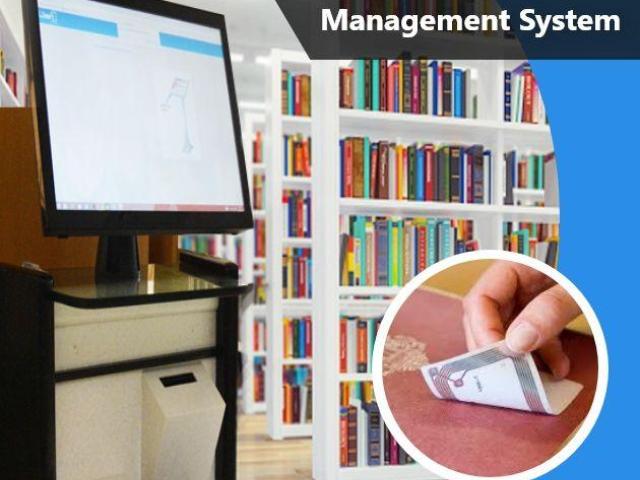
RFID (Radio Frequency Identification) library management systems have revolutionized the way libraries operate, offering unparalleled efficiency and convenience. By utilizing RFID technology, libraries can automate various tasks, such as book check-in and check-out, inventory management, and security monitoring. Each book is embedded with a unique RFID tag that contains information about the item, allowing for quick identification and tracking. With RFID-enabled self-checkout stations, patrons can easily borrow books without the need for manual assistance from library staff, reducing waiting times and enhancing the overall user experience. Additionally, RFID gates installed at library exits can detect any unauthorized removal of items, helping to prevent theft and improve security. Moreover, RFID systems streamline inventory management processes by enabling librarians to conduct quick and accurate stocktaking, ensuring that library collections remain up-to-date and organized. Overall, RFID library management systems offer a seamless and efficient solution for modern libraries, empowering them to deliver better services and enhance patron satisfaction.
RFID library management system can be a detailed and informative piece. Here's an outline to guide you:
1. Introduction to RFID Library Management Systems:
- Define RFID (Radio Frequency Identification) and its application in library management.
- Explain how RFID systems work in libraries, including tags, readers, and software.
2. Key Components of an RFID Library Management System:
- RFID tags: Describe the tags used to label library materials, including their durability, encoding capabilities, and security features.
- RFID readers: Explain the devices used to read RFID tags, including fixed and handheld readers, and their role in inventory management and circulation.
- Library management software: Discuss the software used to manage RFID data, including cataloging, circulation, and patron management features.
3. Benefits of RFID Library Management Systems:
- Automation: Highlight how RFID systems automate tasks like inventory management, check-in/check-out, and shelf management, saving time and labor.
- Accuracy: Discuss how RFID systems improve accuracy in tracking library materials, reducing errors in circulation and inventory.
- Security: Explain how RFID systems enhance library security by providing real-time monitoring of materials and detecting unauthorized removal.
- User experience: Describe how RFID systems enhance the user experience by streamlining borrowing processes and providing self-service options.
- Space optimization: Discuss how RFID systems enable libraries to optimize space by facilitating efficient shelf management and collection organization.
4. Implementation Process:
- Planning: Discuss the initial steps involved in planning for the implementation of an RFID library management system, including needs assessment and budgeting.
- Installation: Explain the process of installing RFID hardware, including tags, readers, and antennas, and integrating them with existing library systems.
- Training: Highlight the importance of staff training in using RFID technology effectively and addressing any concerns or resistance to change.
- Testing and optimization: Describe the testing phase where RFID systems are evaluated for performance and fine-tuned to meet specific library needs.
5. Challenges and Considerations:
- Cost: Discuss the upfront investment required for RFID technology and the long-term cost savings it offers through improved efficiency and reduced labor.
- Privacy concerns: Address concerns about the use of RFID technology in libraries, such as data security and patron privacy, and how libraries can mitigate these concerns through policy and technology.
- Maintenance: Explain the ongoing maintenance requirements for RFID systems, including tag replacement, reader calibration, and software updates.
6. Future Trends and Innovations:
- Discuss emerging trends in RFID technology, such as hybrid RFID/barcode systems, cloud-based RFID solutions, and RFID-enabled smart libraries.
- Explore how RFID technology is evolving to meet the changing needs of libraries and users, such as integration with mobile devices and expansion into new applications like asset tracking and analytics.
For more details visit: https://www.libsys.co.in/ or write @ info@libsys.co.in or +911244894100
RFID library management system can be a detailed and informative piece. Here's an outline to guide you:
1. Introduction to RFID Library Management Systems:
- Define RFID (Radio Frequency Identification) and its application in library management.
- Explain how RFID systems work in libraries, including tags, readers, and software.
2. Key Components of an RFID Library Management System:
- RFID tags: Describe the tags used to label library materials, including their durability, encoding capabilities, and security features.
- RFID readers: Explain the devices used to read RFID tags, including fixed and handheld readers, and their role in inventory management and circulation.
- Library management software: Discuss the software used to manage RFID data, including cataloging, circulation, and patron management features.
3. Benefits of RFID Library Management Systems:
- Automation: Highlight how RFID systems automate tasks like inventory management, check-in/check-out, and shelf management, saving time and labor.
- Accuracy: Discuss how RFID systems improve accuracy in tracking library materials, reducing errors in circulation and inventory.
- Security: Explain how RFID systems enhance library security by providing real-time monitoring of materials and detecting unauthorized removal.
- User experience: Describe how RFID systems enhance the user experience by streamlining borrowing processes and providing self-service options.
- Space optimization: Discuss how RFID systems enable libraries to optimize space by facilitating efficient shelf management and collection organization.
4. Implementation Process:
- Planning: Discuss the initial steps involved in planning for the implementation of an RFID library management system, including needs assessment and budgeting.
- Installation: Explain the process of installing RFID hardware, including tags, readers, and antennas, and integrating them with existing library systems.
- Training: Highlight the importance of staff training in using RFID technology effectively and addressing any concerns or resistance to change.
- Testing and optimization: Describe the testing phase where RFID systems are evaluated for performance and fine-tuned to meet specific library needs.
5. Challenges and Considerations:
- Cost: Discuss the upfront investment required for RFID technology and the long-term cost savings it offers through improved efficiency and reduced labor.
- Privacy concerns: Address concerns about the use of RFID technology in libraries, such as data security and patron privacy, and how libraries can mitigate these concerns through policy and technology.
- Maintenance: Explain the ongoing maintenance requirements for RFID systems, including tag replacement, reader calibration, and software updates.
6. Future Trends and Innovations:
- Discuss emerging trends in RFID technology, such as hybrid RFID/barcode systems, cloud-based RFID solutions, and RFID-enabled smart libraries.
- Explore how RFID technology is evolving to meet the changing needs of libraries and users, such as integration with mobile devices and expansion into new applications like asset tracking and analytics.
For more details visit: https://www.libsys.co.in/ or write @ info@libsys.co.in or +911244894100
Related listings
-
 Repair Laptops Computer Services ProviderFreeComputers - Hardware Jaipur (Rajasthan) 2026/09/18Repair Laptops offers computer sales and services. we deal in computer system, networking, linux, server, laptop printer. All kind of Computer peripherals repairing equiment . Services segment provides a range of services, including software developm...
 -
 Repair Laptops Computer Services ProviderFreeComputers - Hardware Mumbai (Maharashtra) 2026/09/18Repair Laptops offers computer sales and services. we deal in computer system, networking, linux, server, laptop printer. All kind of Computer peripherals repairing equiment . Services segment provides a range of services, including software developm...
 -
 Repair Laptops Computer Services ProviderFreeComputers - Hardware Bhopāl (Madhya Pradesh) 2026/09/18Repair Laptops offers computer sales and services. we deal in computer system, networking, linux, server, laptop printer. All kind of Computer peripherals repairing equiment . Services segment provides a range of services, including software developm...
10.00 $
Contact publisher

Name: Aditya Sharma
E-mail: lsnetin01@gmail.com
Phone: 01244894100
Other: 01244894100
Contact sellerUseful information
- Avoid scams by acting locally or paying with PayPal
- Never pay with Western Union, Moneygram or other anonymous payment services
- Don't buy or sell outside of your country. Don't accept cashier cheques from outside your country
- This site is never involved in any transaction, and does not handle payments, shipping, guarantee transactions, provide escrow services, or offer "buyer protection" or "seller certification"
Comments
Leave your comment (spam and offensive messages will be removed)